A Boutique Stay in Lisbon That Feels Like Home

lisbon

A Boutique Stay in Lisbon That Feels Like Home

Lisbon has a way of revealing itself slowly.

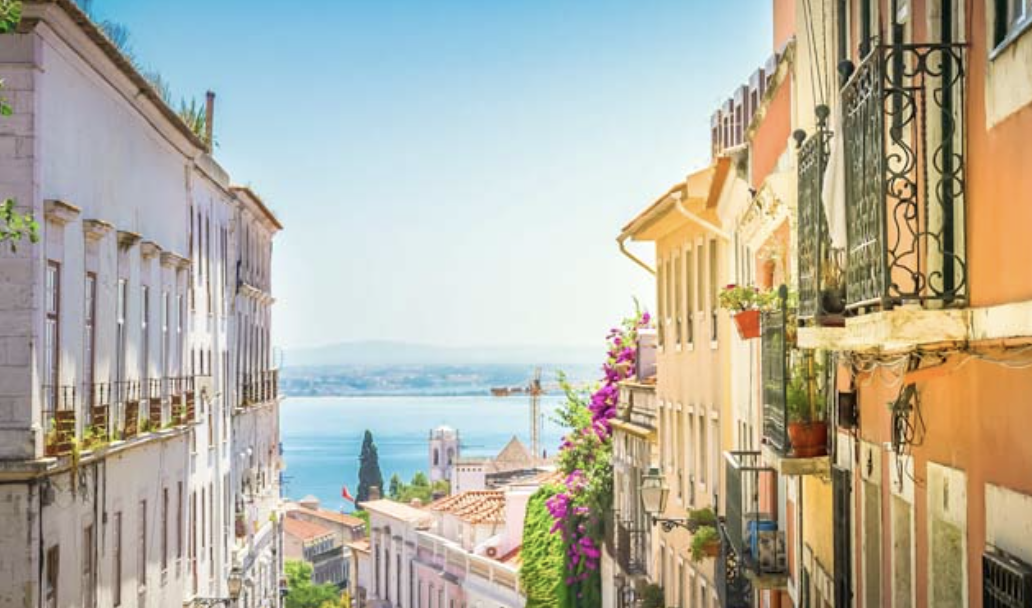
It’s not a city that demands attention immediately. Instead, it invites you to wander — through narrow streets that seem to fold into one another, past tiled facades that catch the light in unexpected ways, and into small cafés where time moves at its own pace. Somewhere within that rhythm, the idea of where you stay begins to matter just as much as what you see.

Finding the right hotel in Lisbon isn’t about luxury in the traditional sense. It’s about atmosphere. About discovering a place that feels connected to the city rather than separate from it.


A Different Kind of Arrival

Arriving in Lisbon often comes with a slight sense of disorientation — in the best possible way.

The streets rise and fall without warning. Trams appear suddenly around corners. The air carries a mix of sea breeze and warm stone. By the time you reach your hotel, you’re already part of something that feels layered and lived-in.

Boutique stays here tend to reflect that same character. They’re not designed to impress at first glance, but to unfold gradually. A quiet entrance. A small reception area that feels more like a living room than a desk. A welcome that doesn’t feel rehearsed.

It’s subtle, but it sets the tone.


Spaces That Feel Personal

What makes many Lisbon boutique hotels stand out is their sense of individuality.

Rooms are rarely identical. One might have high ceilings with original details, another a small balcony overlooking a quiet street. Furniture often feels collected rather than matched — a mix of textures, materials, and tones that create warmth without trying too hard.

There’s an ease to it. Nothing feels overdesigned.

You might notice:

  • worn wooden floors that carry history
  • soft lighting that changes the atmosphere in the evening
  • books placed intentionally, as if someone actually reads them

These details are not there to impress. They’re there to make the space feel lived in.


The Balance Between Comfort and Character

Comfort in Lisbon doesn’t come at the expense of personality.

Beds are generous, linens soft, and the quiet of the rooms offers a break from the movement outside. But at the same time, the design rarely disappears into neutrality. There’s always something that reminds you where you are — a tile pattern, a color choice, a view framed just right.

This balance is what turns a stay into an experience.

You’re not just resting. You’re part of the city’s texture, even indoors.


Mornings Without Rush

One of the most understated pleasures of staying in a smaller hotel is how mornings unfold.

Breakfast is rarely a crowded buffet. Instead, it’s often a slower, more thoughtful experience — fresh bread, local pastries, fruit, and coffee that encourages you to stay a little longer than planned.

Sometimes it’s served in a small courtyard, sometimes in a room that catches the early light just right. Conversations are quieter. There’s no pressure to move quickly.

It becomes less about starting the day and more about easing into it.


Stepping Outside Into the City

Location in Lisbon is less about proximity and more about feeling.

A hotel tucked into Bairro Alto offers a completely different experience from one near Alfama or Principe Real. Each neighborhood carries its own rhythm, and the best stays reflect that.

Step outside, and you’re immediately in the middle of it:

  • laundry hanging between buildings
  • locals greeting each other in passing
  • the sound of distant music drifting through the streets

There’s no separation between hotel and city. The transition is seamless.


Evenings That Settle Naturally

As the day moves into evening, Lisbon softens.

The light fades gradually, and the city takes on a warmer tone. Returning to your hotel after a long walk doesn’t feel like leaving the experience behind — it feels like continuing it in a quieter form.

A small lounge area, a glass of wine, a window left slightly open to let in the night air. These moments are simple, but they carry a certain weight.

There’s no need for elaborate plans. The setting does the work.


A Stay That Doesn’t Try Too Hard

What makes a boutique hotel in Lisbon memorable is often what it chooses not to do.

It doesn’t overwhelm with features or try to compete for attention. Instead, it focuses on creating an environment where everything feels considered but effortless.

You’re not constantly reminded that you’re in a hotel. And that’s exactly the point.


The Subtle Luxury of Feeling at Ease

Luxury in Lisbon often appears in quieter forms.

It’s the feeling of returning to a space that feels familiar after just a day. The comfort of knowing where everything is without needing to think about it. The ease of moving between the city and your room without a shift in atmosphere.

This kind of luxury doesn’t announce itself. It’s something you notice only when you leave.


Why It Stays With You

Long after the trip ends, it’s rarely the grandest details that remain.

It’s the way the light entered the room in the morning. The sound of footsteps on old floors. The sense that, for a short time, you weren’t just visiting Lisbon — you were part of it.

A good hotel can offer comfort.
A great one offers a feeling.

And in Lisbon, that feeling tends to linger.… Continue...

Exploring Cinque Terre Beyond the Tourist Trail

Cinque Terre

Exploring Cinque Terre Beyond the Tourist Trail

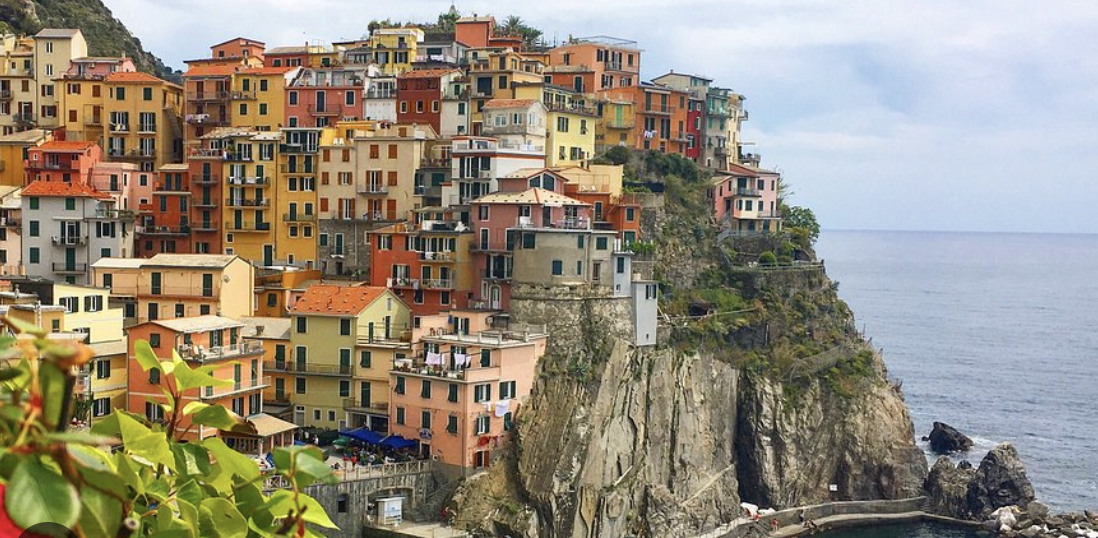
There are places that exist in photographs long before we ever see them with our own eyes. Cinque Terre is one of those places. It lives in postcards, travel magazines, and perfectly filtered Instagram feeds — pastel houses stacked above the sea, narrow paths hugging cliffs, boats drifting lazily in the harbor.

But the real Cinque Terre reveals itself only when you step slightly away from where everyone else is looking.

Most visitors arrive with a checklist: the five villages, the famous viewpoints, the iconic shots. And while those are worth seeing, they only tell part of the story. The quieter version — the one that lingers — is found in the spaces between those moments.


The Rhythm of Arrival

Arriving early in the morning changes everything.

Before the first wave of trains releases its crowd into the narrow streets, there is a brief window where the villages feel almost private. Shop shutters are still closed, fishermen prepare their boats, and the sound of footsteps echoes differently on the stone.

In Vernazza, the harbor reflects soft morning light, and the water is still enough to mirror the buildings above it. A café owner arranges chairs without hurry. There’s no urgency yet — just routine.

This is the Cinque Terre that rarely appears in travel guides.


Walking Instead of Chasing

One of the simplest ways to experience the area differently is to walk without a strict destination.

The trails connecting the villages are well known, but most people move through them quickly, focused on reaching the next stop. Slow that down, and the landscape begins to shift.

The path between Corniglia and Manarola, for example, winds through vineyards that have been cultivated for generations. Stone terraces climb the hills in quiet defiance of gravity. Occasionally, you pass a local tending to the vines, moving with a familiarity that suggests this rhythm has never really changed.

There’s a certain stillness here. Not silence, but a calm that feels earned.

You start noticing smaller things:

  • the scent of wild herbs along the trail
  • the changing color of the sea depending on the angle of light
  • the way shadows stretch across the hills in late afternoon

None of these are headline moments. But together, they define the experience.


Corniglia: The Overlooked Pause

Among the five villages, Corniglia often receives the least attention. It doesn’t sit directly on the water, and reaching it requires climbing a long staircase.

That alone filters the crowd.

At the top, the perspective changes. Instead of being at sea level, you’re looking out over it — wide, uninterrupted views that feel expansive compared to the tighter harbors of the other villages.

The streets are quieter. Life moves at a slower pace. There’s less emphasis on performance, more on presence.

It’s the kind of place where you can sit for an hour with no particular plan and not feel like you’re missing anything.


The Midday Illusion

By midday, Cinque Terre transforms.

The narrow streets fill with movement. Cameras appear at every corner. Restaurants fill quickly, and the atmosphere becomes more animated — almost theatrical.

There’s nothing wrong with this version. It has energy, color, and a kind of shared excitement. But it’s also where many visitors spend most of their time, mistaking it for the full experience.

If you stay long enough, you begin to notice the contrast between this and the quieter hours. The difference is not just in the number of people, but in how the place feels.

It’s a reminder that timing matters as much as location.


Small Details That Stay

Some of the most memorable moments aren’t tied to landmarks at all.

A glass of local wine in a small, nearly empty bar.
A conversation with a shop owner who has lived there for decades.
A sudden view of the coastline that appears between two buildings.

These are not things you can plan.

They happen when you allow space for them.

And often, they are what stays with you long after the trip ends.


Evenings Without Rush

As the day moves toward evening, the pace shifts again.

Day-trippers begin to leave. The last trains carry away much of the noise. What remains is a softer version of the same place — one that feels closer to how it exists for the people who live there.

In Riomaggiore, lights begin to appear one by one. The harbor grows quieter. Conversations replace crowds. The air cools slightly, carrying the scent of the sea.

Dinner becomes less about ticking off a recommendation and more about settling into a moment.

There’s no need to rush.


Staying the Night Changes Everything

Many visitors experience Cinque Terre in a single day. It’s efficient, but it misses something essential.

Staying overnight reveals a different rhythm — one that unfolds more slowly and feels more connected.

Morning returns quietly. Evenings linger longer. The space between the busy hours becomes more visible.

It’s not about doing more. It’s about noticing more.


The Balance Between Popular and Personal

Cinque Terre’s popularity is not accidental. It is undeniably beautiful, and certain viewpoints deserve their reputation.

But there’s a balance to be found between seeing what everyone comes for and discovering something more personal.

Take the famous viewpoints, but don’t stop there. Walk a little further. Sit a little longer. Let moments unfold without trying to capture them immediately.

The experience becomes less about collecting images and more about absorbing a place.


A Landscape That Rewards Patience

The terrain itself encourages a slower approach.

Steep paths, uneven steps, and narrow passages naturally reduce speed. You can’t rush through it easily, and that turns into an advantage.

The slower you move, the more the surroundings reveal.

Colors shift subtly throughout the day. The sea changes tone. The villages feel different depending on where the light falls.

It’s a place that rewards patience more than efficiency.


When to Step Away

Sometimes the best decision is simply to step away from the main routes.

A side street. A quiet terrace. A bench overlooking the water.

These moments create distance from the constant movement and allow the place to feel more real.

There’s a difference between seeing a destination and experiencing it.

That difference often comes from choosing not to follow the obvious path every time.


The Memory That Remains

Long after leaving Cinque Terre, what tends to remain isn’t a single image or landmark.

It’s a collection of smaller impressions:

  • the warmth of the light in the early morning
  • the sound of footsteps on stone
  • the feeling of looking out over the sea with nowhere specific to be

These are the details that quietly define the experience.


A Different Way to Visit

Exploring Cinque Terre beyond the tourist trail doesn’t require special access or hidden knowledge.

It requires a slight shift in approach:

  • arrive early
  • stay later
  • walk without urgency
  • allow time for unplanned moments

The destination stays the same. The experience changes.


Final Thoughts

Cinque Terre will always be a place people travel to see. Its beauty is immediate and easy to understand.

But the version that stays with you — the one that feels personal — exists just beneath that surface.

It’s found in the quiet hours, the slower paths, and the moments that aren’t designed to be photographed.

And once you notice it, it becomes difficult to experience the place any other way.… Continue...